
Paul Feyerabend's Autobiography: Exploring Time, Science, and Fame
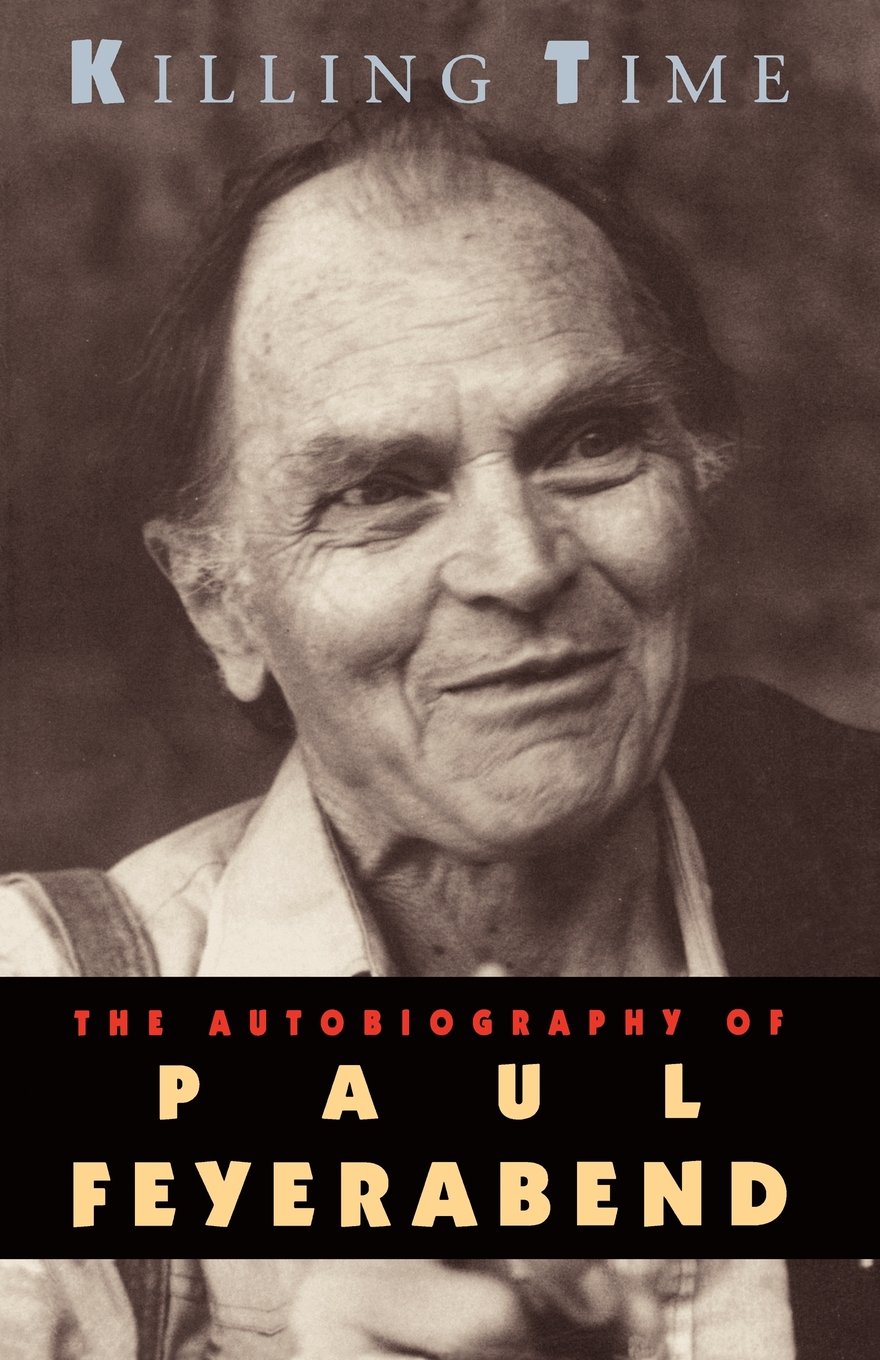
Killing Time is the story of Paul Feyerabend’s life. Completed solely weeks earlier than his dying in 1994, it’s the self-portrait of one among this century’s most unique and influential intellectuals.
Known for his expertise in physics and astronomy, Feyerabend was primarily recognized as a philosopher of science, rather than a creator of theories or rules. His reputation stemmed from his eloquent critiques of established scientific and philosophical paradigms. Feyerabend championed a concept of "epistemological anarchism," advocating for the existence of multiple legitimate paths to knowledge and differing perspectives on reality. In his influential work, "Against Method," he famously declared, "Anything goes," challenging conventional scientific methodologies. This bold stance encapsulated his belief in the diversity of approaches within the realm of science.
In his autobiography, Feyerabend recounts his remarkable journey from a modest upbringing in Vienna to achieving global acclaim. He reflects on his time in the German military during World War II, where he was wounded and left with lifelong physical challenges. Along the way, he pursued his passion for opera, crossed paths with notable figures like Martin Buber and Bertolt Brecht, and navigated through multiple marriages and academic positions across four universities simultaneously.
In "Killing Time," Feyerabend delves into sixty years of experiences, exploring various individuals, ideas, and conflicts. He candidly reflects on challenging relationships with mentor Karl Popper and friend-turned-foe Imre Lakatos, as well as his evolving reputation as science's "worst enemy." While not a traditional autobiography, the book provides insightful glimpses into Feyerabend's expertise and the impact of his fame.
More in Job and Occupation

Girls' Champion Canvas Sneaker by Keds

The Boy Who Went To Regulation Faculty.

Humorous Affiliate Registrar Espresso Mug Superior Job Occupation – White 11oz Ceramic Tea Cup, White 11 GPQOGY
World's Biggest Referee Cartoon Can Cooler Bottle Wrap
Nacho Common Vet Receptionist: Clean Lined Journal – Reward For Vet Receptionist, Veterinary