How Zoologists Arrange Issues: The Artwork of Classification
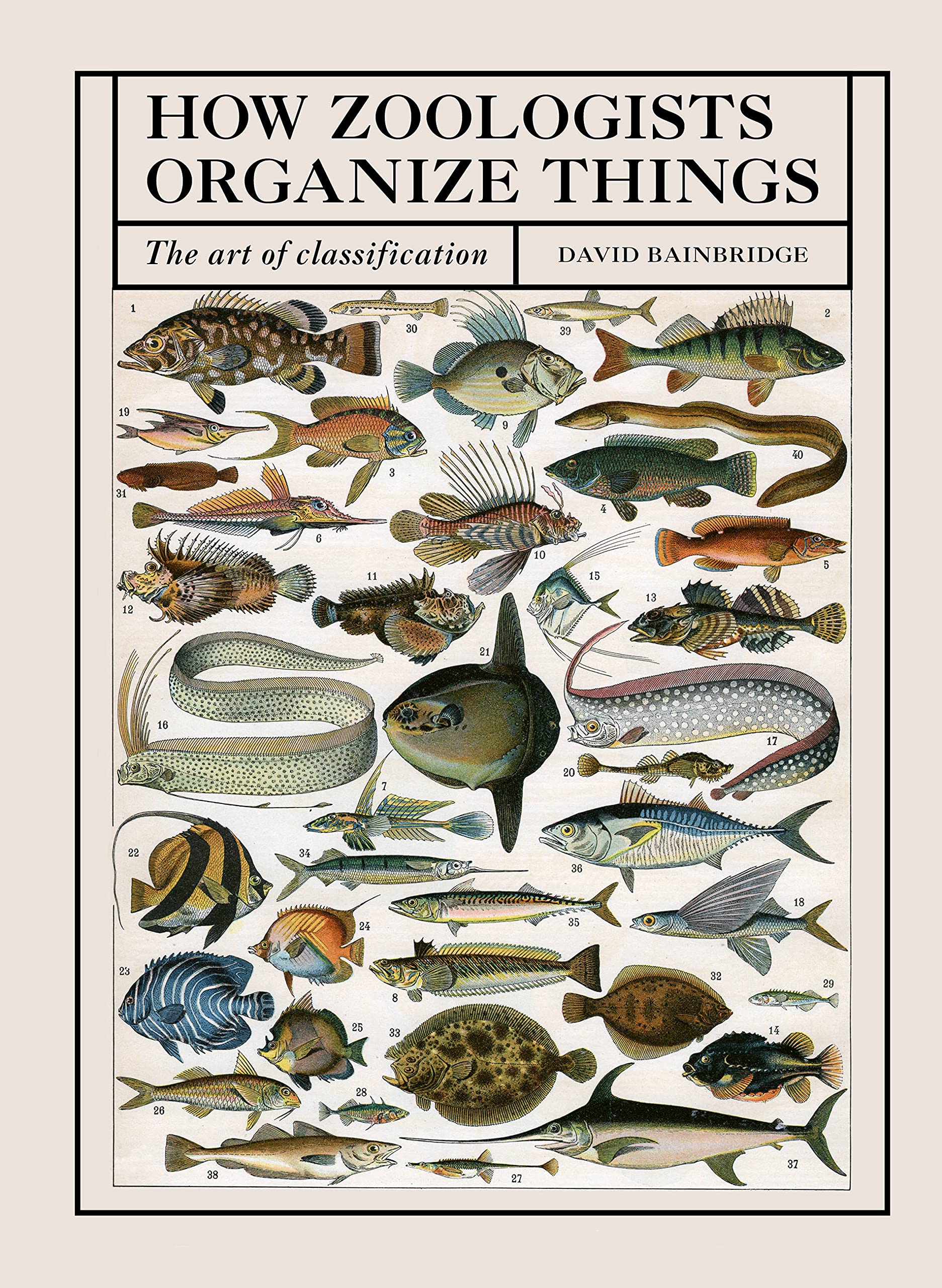
Humankind’s fascination with the animal kingdom started as a matter of survival – differentiating the edible from the poisonous, the ferocious from the tractable. Since then, our compulsion to catalogue wildlife has performed a key position in rising our understanding of the planet and ourselves, inspiring non secular beliefs and evolving scientific theories. The e-book unveils wild truths and even wilder myths about animals, as perpetuated by zoologists – revealing how far more there may be to be taught, and unlearn.
Lengthy earlier than Darwin, our ancestors have been obsessive about the visible similarities and variations between the animals. Early scientists may sense there was an order that unified all life and formulated a wide range of schemes to assist illustrate this. This human quest to categorise dwelling beings has left us with a wealthy creative legacy, from the folklore and religiosity of the traditional and Medieval world by means of the naturalistic cataloging of the Enlightenment to the trendy, computer-generated classificatory labyrinth.
This e-book tells the fascinating, visible story of this course of. The great zoological charts mirror prevailing creative tendencies and scientific discoveries, in addition to telling us as a lot about ourselves as they do in regards to the creatures depicted.
From the Writer
Henry Thomas De la Beche (1796–1855), Duria Antiquior (lithograph), 1830. Carl Eduard von Eichwald (1795– 1876), Zoologia Specialis, 1829; Tree of animal life. People are essentially the most widespread of all mammalian species, but their geographical unfold has been remarkably latest and speedy. This picture is an ‘isochrone map’, wherein the vary of the human species at explicit occasions is proven by completely different colors. The bizarre map projection permits all continents to be depicted with comparatively little distortion to their intrinsic form.