Daniel Webster's Constitutional Ideas on the Broad and Normal Clause
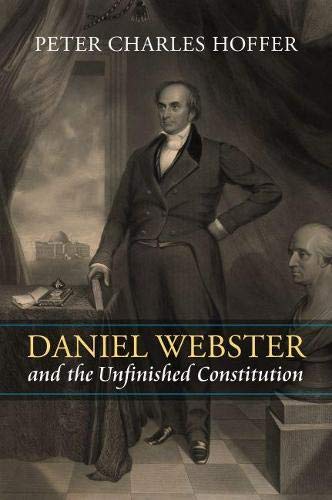
Daniel Webster and the Unfinished Structure reveals Webster because the foremost constitutional lawyer of his day. Peter Charles Hoffer builds a persuasive case that Webster was greater than a talented practitioner who rose quickly from his hardscrabble New Hampshire origins. Hoffer totally paperwork the methods wherein Webster was an revolutionary jurist. Whereas Chief Justice John Marshall will get credit score for a lot of our early constitutional jurisprudence, the truth is in a collection of key instances Marshall merely borrowed Webster’s oral and written arguments.
In the early days, legal professionals like Webster and Marshall were vocal about their commitment to the Constitution. They understood that the Constitution needed to be flexible to keep up with the changing times of the early republic and antebellum eras. Chief Justice Marshall, in the case of Bank of the US v. Deveaux (1809), highlighted that the Constitution deals with general principles rather than specifics. However, even these general principles needed interpretation as the nation evolved. Webster identified key landmarks in the Constitution such as the Contract Clause and the Commerce Clause. While others were exploring new territories, Webster focused on mapping uncharted areas within the constitutional and legal frameworks.
In his thorough analysis, Peter Charles Hoffer delves into Webster's examination of three crucial constitutional issues and their relevance to today's conflicts. These include the intricate balance between law and politics, the interplay of public policy and individual rights, and the dynamic between federal government and states. These enduring controversies are at the core of our constitutional system and are vital to maintaining its integrity and order.
More in US Constitution

Girls' Champion Canvas Sneaker by Keds

Colorful Stackable Storage Caddies for Easy School Desk Organization
American Revolution Journal 2020 Annual Quantity

40 PCS Chinese Snack Box: Asian Korean Japanese Specialty Party Food
American Antislavery Writings: From Colonial Beginnings to Emancipation