The Jacksonian Era: Constitutional Change and Generational Energy
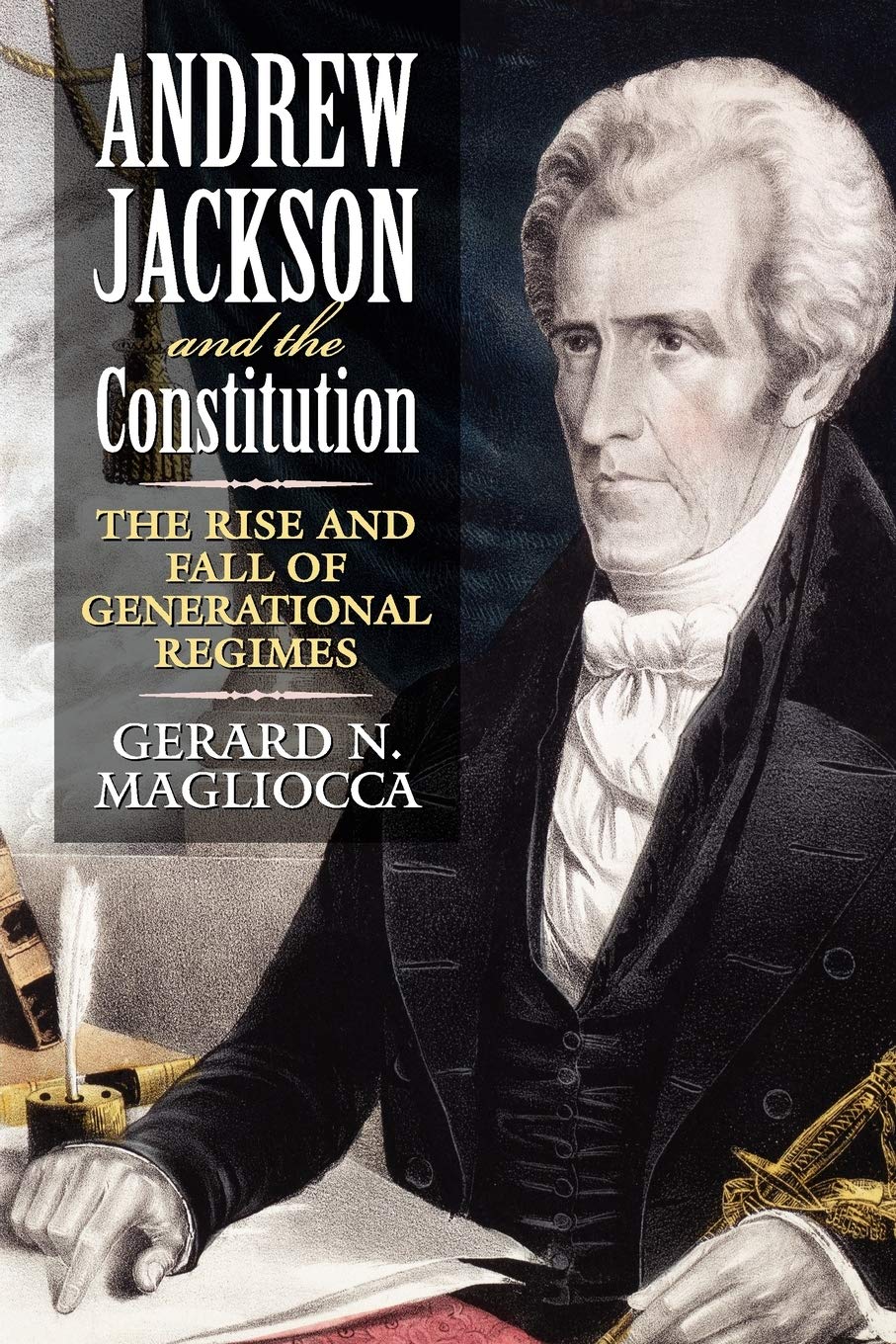
What occurs when the political concepts and constitutional interpretations of 1 era are changed by these of one other? This course of has occurred all through American historical past down to the current day as “we the individuals” change our minds about how we govern ourselves. Depicting a monumental conflict of generations, Gerard Magliocca reminds us as soon as once more how our Structure stays a dwelling doc.
During the Jacksonian era, Magliocca delves into how the Constitution's interpretation evolves cyclically. He delves into the ideological clashes between Jacksonian Democrats and Federalists and Republicans on matters such as states’ rights, presidential authority, and federal power. Through this analysis, he illustrates how presidential politics, Supreme Court rulings, and congressional actions intertwine to create a recurring pattern of constitutional evolution.
Magliocca's study focuses on the idea that significant shifts in American political and constitutional development occur approximately every thirty years, transitioning from one dominant regime to a new counter-regime. By exploring a period often overlooked in discussions of such transformations, Magliocca provides a clear overview of the political and legal history of the Jacksonian era. This includes an examination of Jackson's remarkable consolidation of power within the executive branch.
The rise of the Jacksonian movement stemmed from dissatisfaction with the growing federal power and the perceived favoritism towards Native Americans at the expense of frontier whites. Magliocca draws on these issues to support his argument, exploring Jackson's dismantling of the Bank of the United States and his clashes with the Marshall Court over the Cherokee dilemma in Worcester v. Georgia. These events not only sparked a resurgence of abolitionist sentiment but also foreshadowed the eventual passage of the Fourteenth Amendment. In his analysis of cases like Dred Scott and M'Culloch v. Maryland, Magliocca sheds new light on constitutional principles like judicial review, presidential vetoes, and the interplay between reformers and conservatives in driving societal change during the transformative Jacksonian era. Ultimately, he underscores how our Republic is shaped more by the gritty realities of politics than by the innovation of judicial decisions.
Providing intriguing parallels between Jackson and George W. Bush concerning the scope of govt energy, Magliocca has produced a wealthy synthesis of historical past, political science, and regulation that revives our understanding of a whole period and its controversies, whereas offering a mannequin of constitutional regulation relevant to any interval.
More in US Constitution

Girls' Champion Canvas Sneaker by Keds

Colorful Stackable Storage Caddies for Easy School Desk Organization
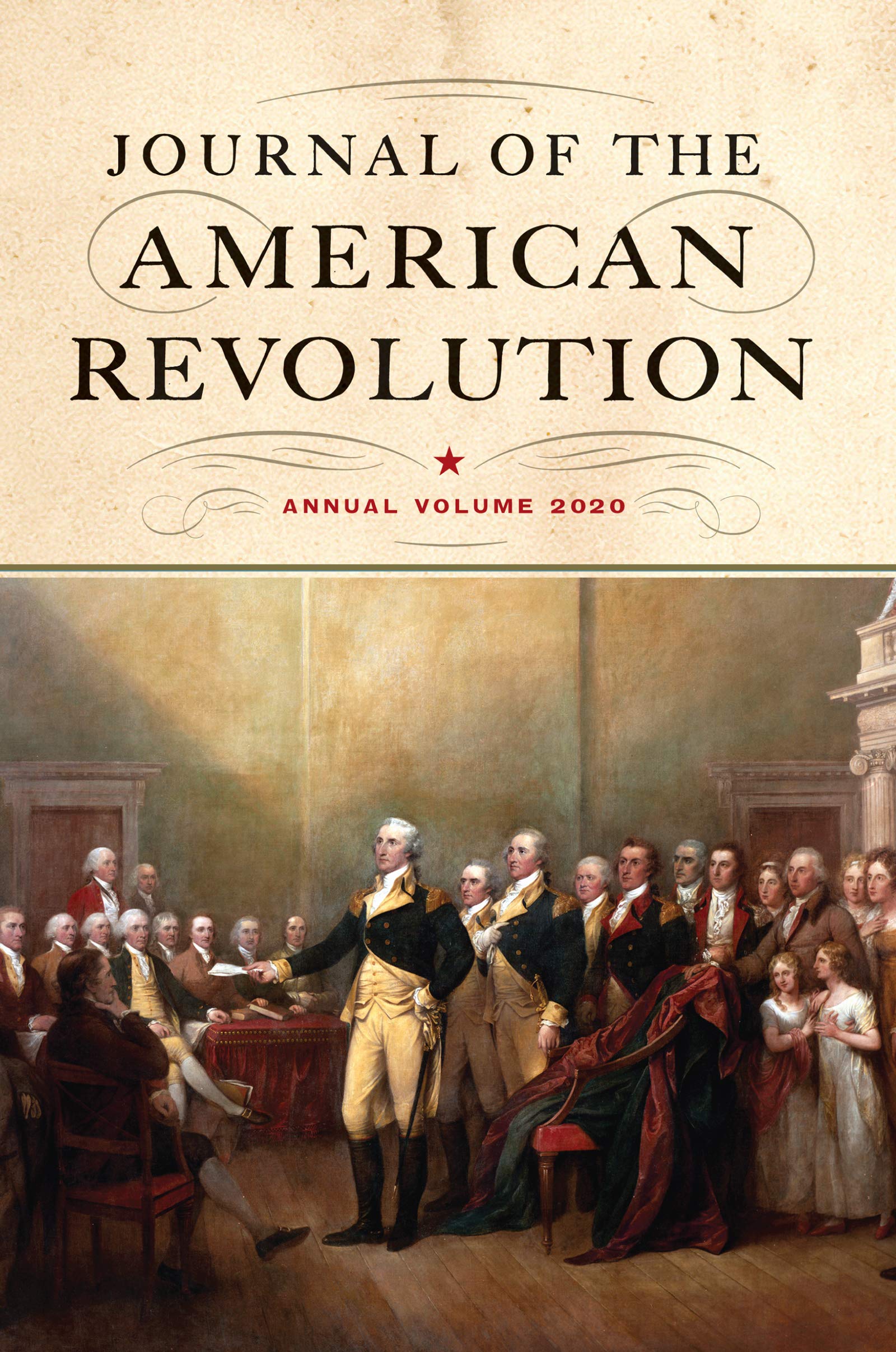
American Revolution Journal 2020 Annual Quantity

40 PCS Chinese Snack Box: Asian Korean Japanese Specialty Party Food
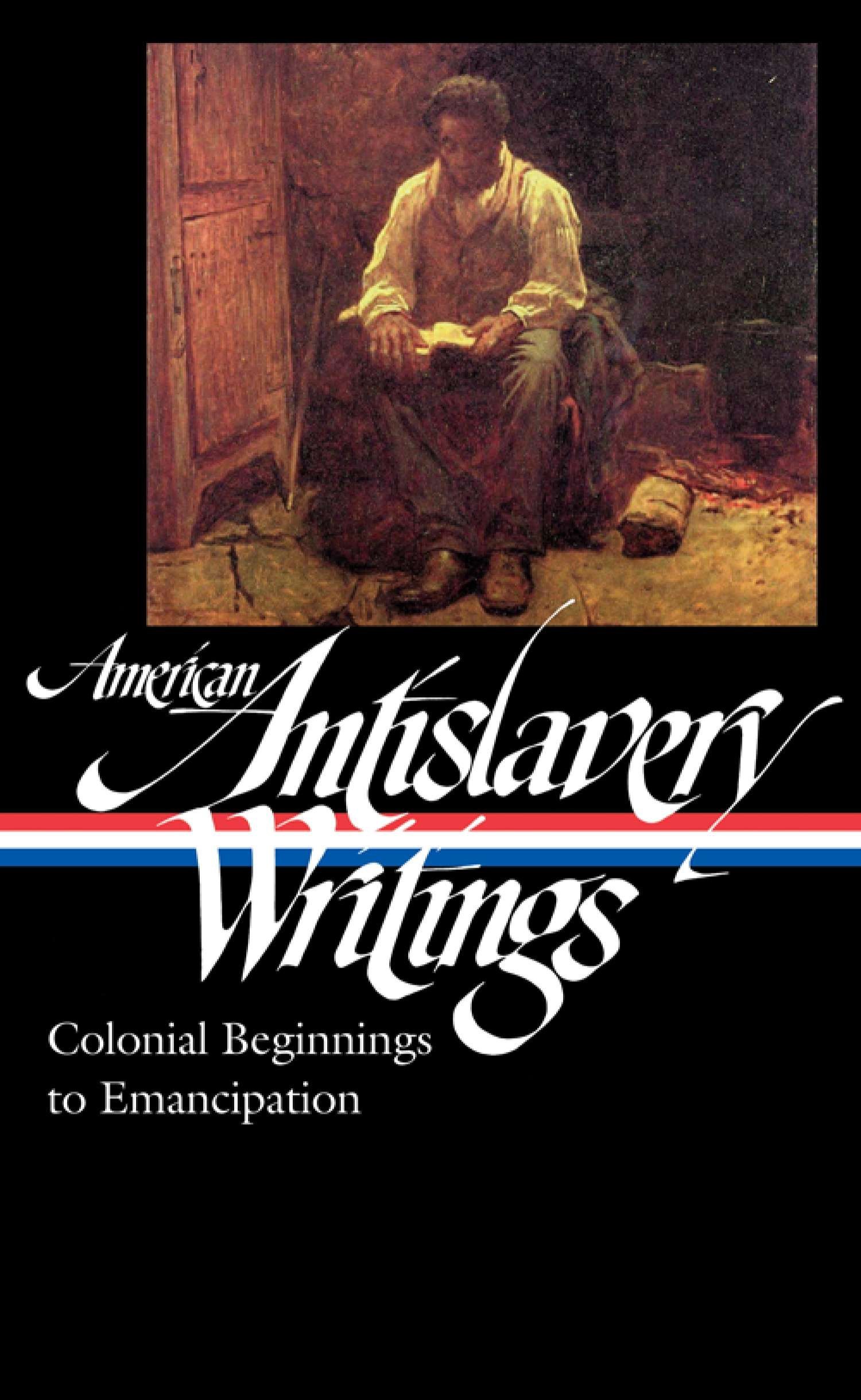
American Antislavery Writings: From Colonial Beginnings to Emancipation