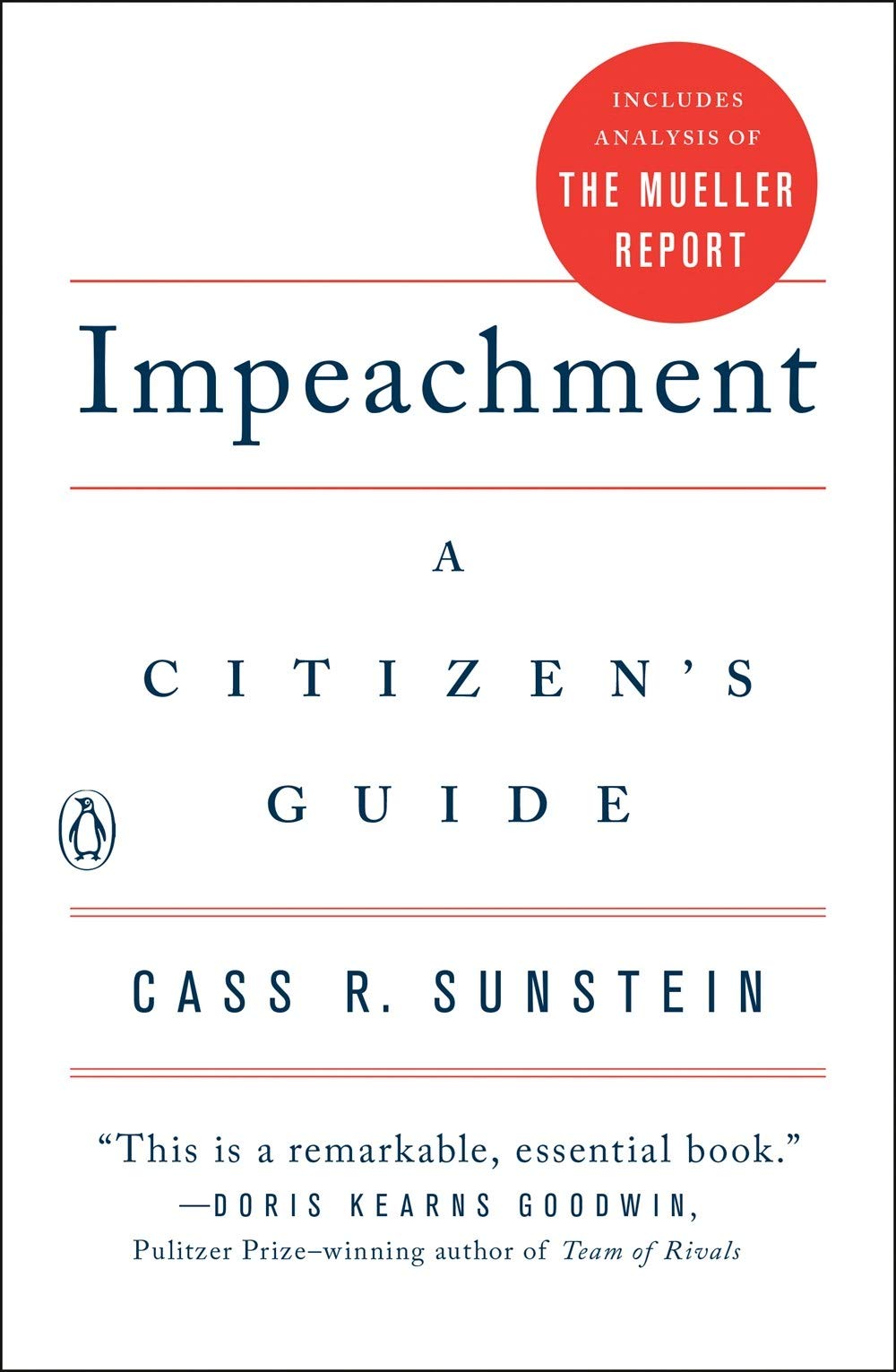
John Brown: America's Good Terrorist and the Harpers Ferry Raid

John Brown is a typical identify, however the John Brown who masterminded the failed raid at Harpers Ferry was something however frequent. His failed efforts have left an imprint upon our historical past, and his story nonetheless swirls in controversy. Was he a madman who felt his violent answer to slavery was ordained by Windfall or a heroic freedom fighter who tried to liberate the downtrodden slave? These polar reverse characterizations of the violent abolitionist have captivated People. The prevailing view from the time of the raid to properly into the 20 th century—that his actions had been the product of an unbalanced thoughts—has shifted to the concept that he dedicated brave acts to undo a horrible injustice.
The ongoing controversy surrounding Brown is not so much about his ultimate goal, but rather the methods he used to address what he saw as a grave injustice. Should individuals take matters into their own hands through violent means when traditional legal channels fail to right a significant wrong? Brown employed violence to instill fear in slave owners, hoping to pressure them into freeing their slaves for the safety of their families. This act was aimed at inciting change through fear, a tactic that has been debated for its effectiveness and morality.
When comparing Brown's characteristics to the definition of terrorism by scholars, despite the differences between modern terrorist acts and Brown's violent actions, he undeniably fits the profile. Although historians have labeled him as America's first terrorist, Brown is now seen as a heroic figure who sacrificed his life to end slavery's tyranny. His use of terrorism is often overlooked, portraying him as a "good terrorist," a term that seems contradictory given the negative connotations associated with terrorism. Brown's raid is considered a significant historical event, blurring the lines between what is deemed "good" or "bad" in the context of terrorism.
This biography delves into Brown's upbringing and the circumstances that fueled his resolve to carry out the raid, providing a detailed account of the event and its consequences for both those directly involved and the United States. Additionally, it examines how perceptions of Brown have evolved since his passing.
Desk of Contents
Acknowledgments
Introduction
1: The Making of a Terrorist
2: Launching the Battle of Liberation
3: Igniting the Fuse: The Assault on Harpers Ferry
4: Anguish and Travail
5: An Agitated Nation
6: The Rush to Judgment
7: Hemp Justice
8: Rehearsal for Battle
Notes
Bibliographical Remark
Index
More in US Constitution

Girls' Champion Canvas Sneaker by Keds

Colorful Stackable Storage Caddies for Easy School Desk Organization
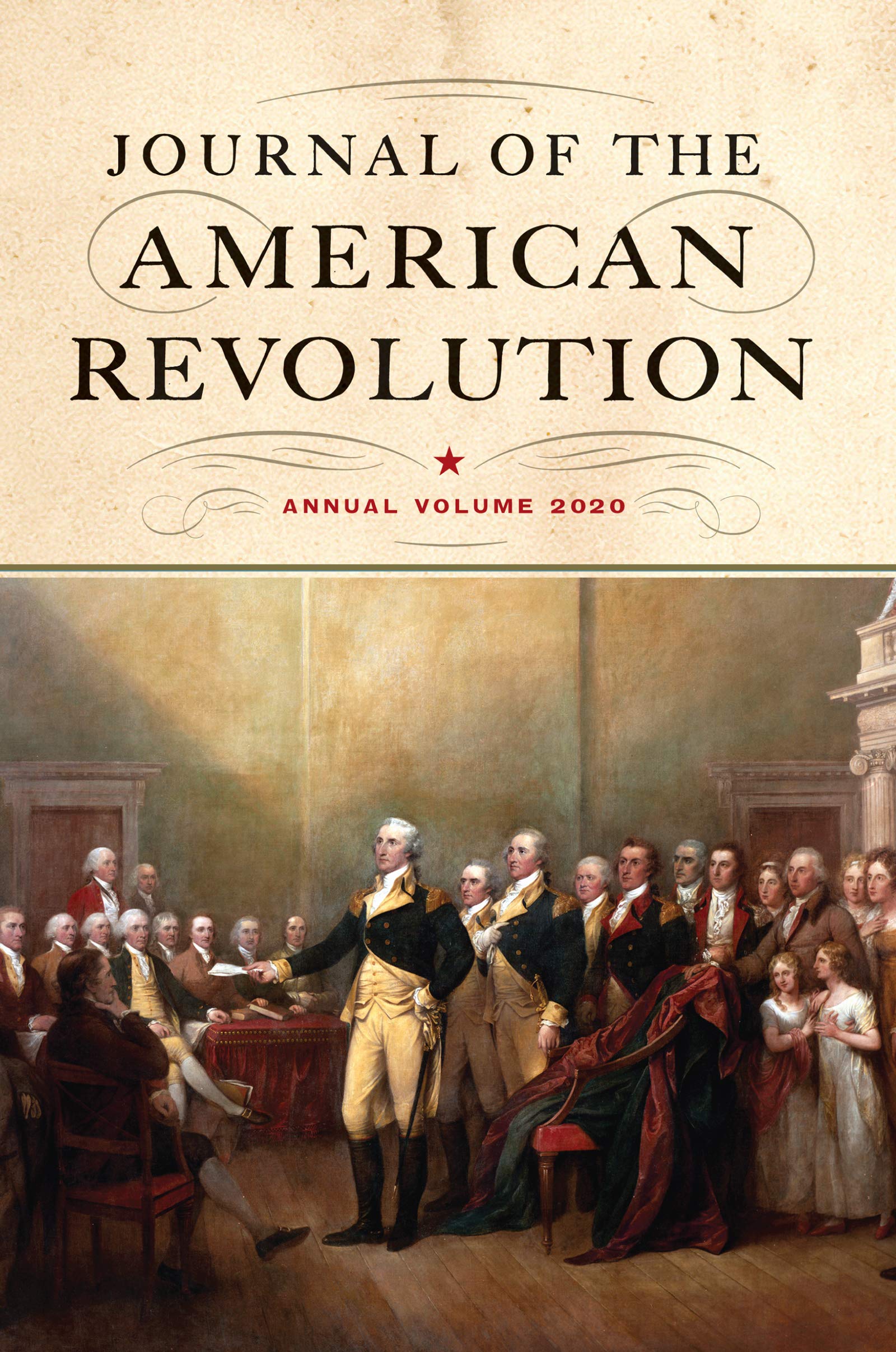
American Revolution Journal 2020 Annual Quantity

40 PCS Chinese Snack Box: Asian Korean Japanese Specialty Party Food
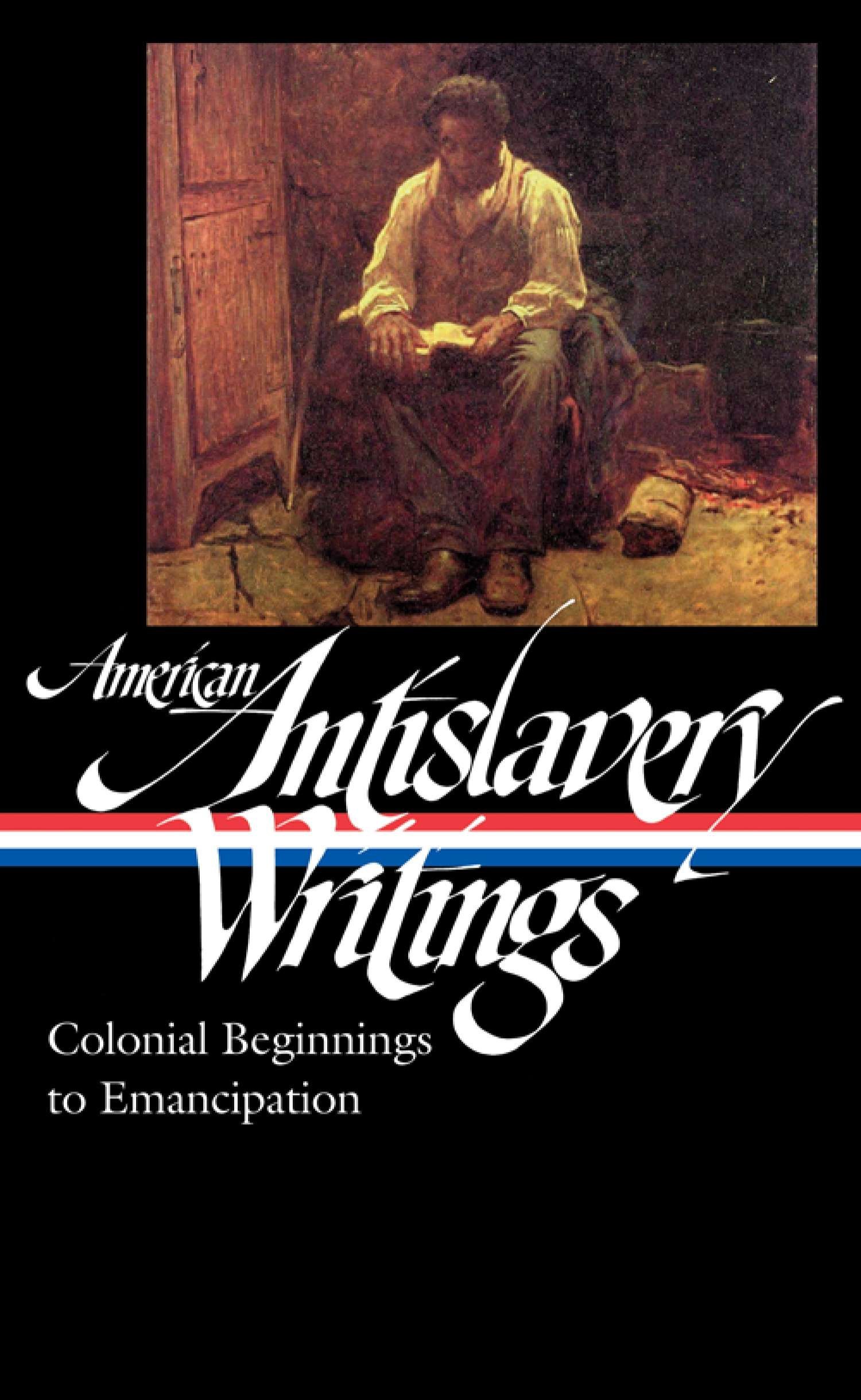
American Antislavery Writings: From Colonial Beginnings to Emancipation