Analyzing Rawle's View on the Structure of the US Union
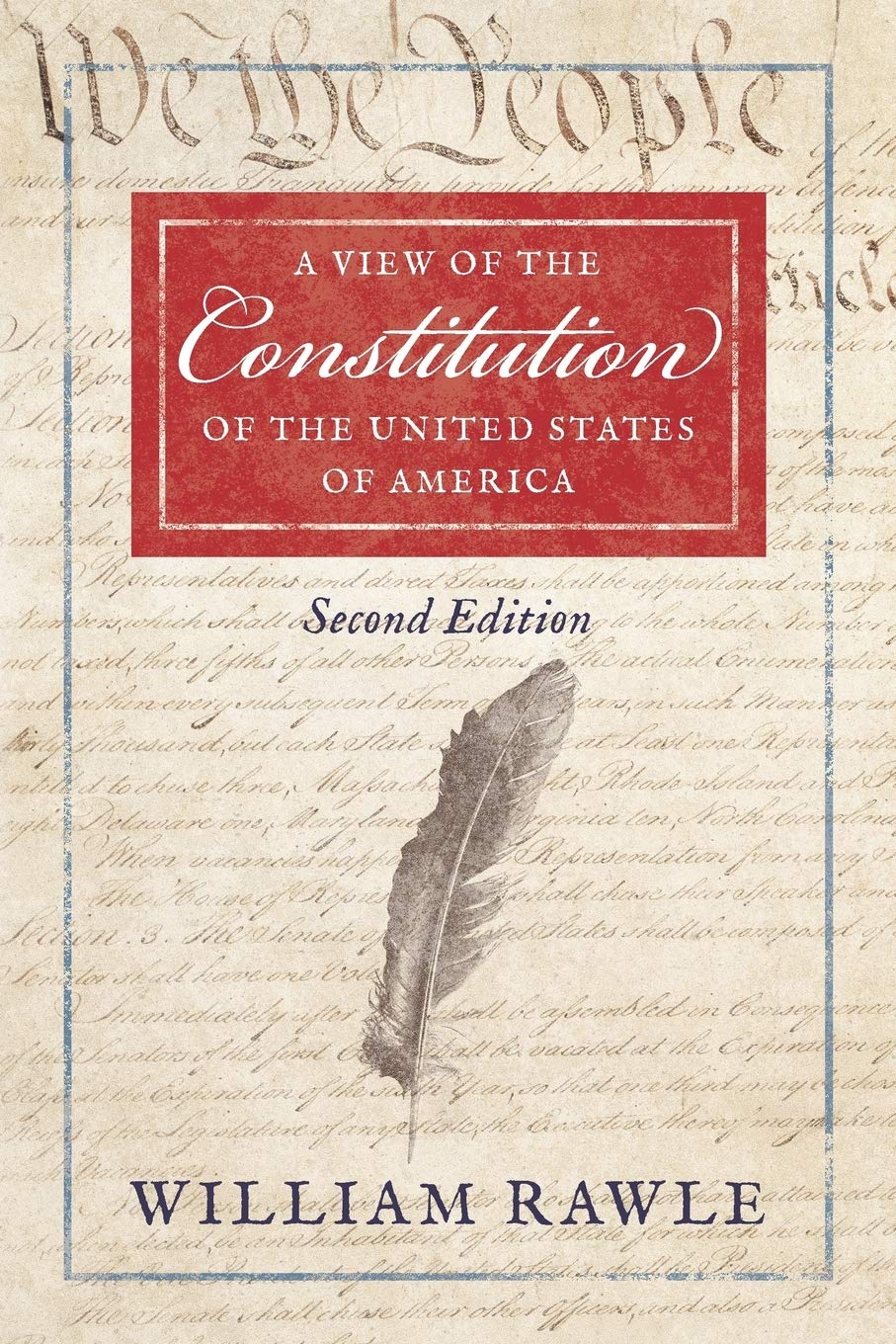
This treatise was the primary complete examine of the US Structure, and one of the necessary. Initially printed: Philadelphia: Philip H. Nicklin, 1829. viii, 349 pp. Although concise, Rawle gives a scientific evaluation of the Structure’s articles, in addition to its historic background and philosophy. Additionally it is a traditionally vital work as a result of it means that states have a proper to secede from the Union. A well-liked textbook utilized in faculties with giant numbers of southern pupils, such because the U.S. Navy Academy, it and is usually thought-about to have influenced the leaders and supporters of the Confederacy).
Rawle's View of the Structure, although insightful and well-researched, sparked controversy. As a Pennsylvania lawyer and Federalist, Rawle's examination of the government led him to an unconventional conclusion that the Union was not indissoluble. His final chapter delves into the concept of "The Union," asserting that the right of secession was fundamental to people's self-governance. Rawle's work is seen as a bridge between the North and South, published during a crucial period between the establishment of the Federal Government and the onset of the Civil War. - Elizabeth Kelley Bauer, Commentaries on the Constitution, 1790-1860, p. 63.
William Rawle (1759-1836) was a prominent figure in Pennsylvania's legal system, known for his expertise as a lawyer and educator. His contributions were highly valued, and in 1791, President George Washington appointed him as the U.S. district attorney for Pennsylvania. Rawle's influence extended to the revision of Pennsylvania's civil code in 1830, marking his lasting impact on the state's legal framework.
More in US Constitution

Girls' Champion Canvas Sneaker by Keds

Colorful Stackable Storage Caddies for Easy School Desk Organization
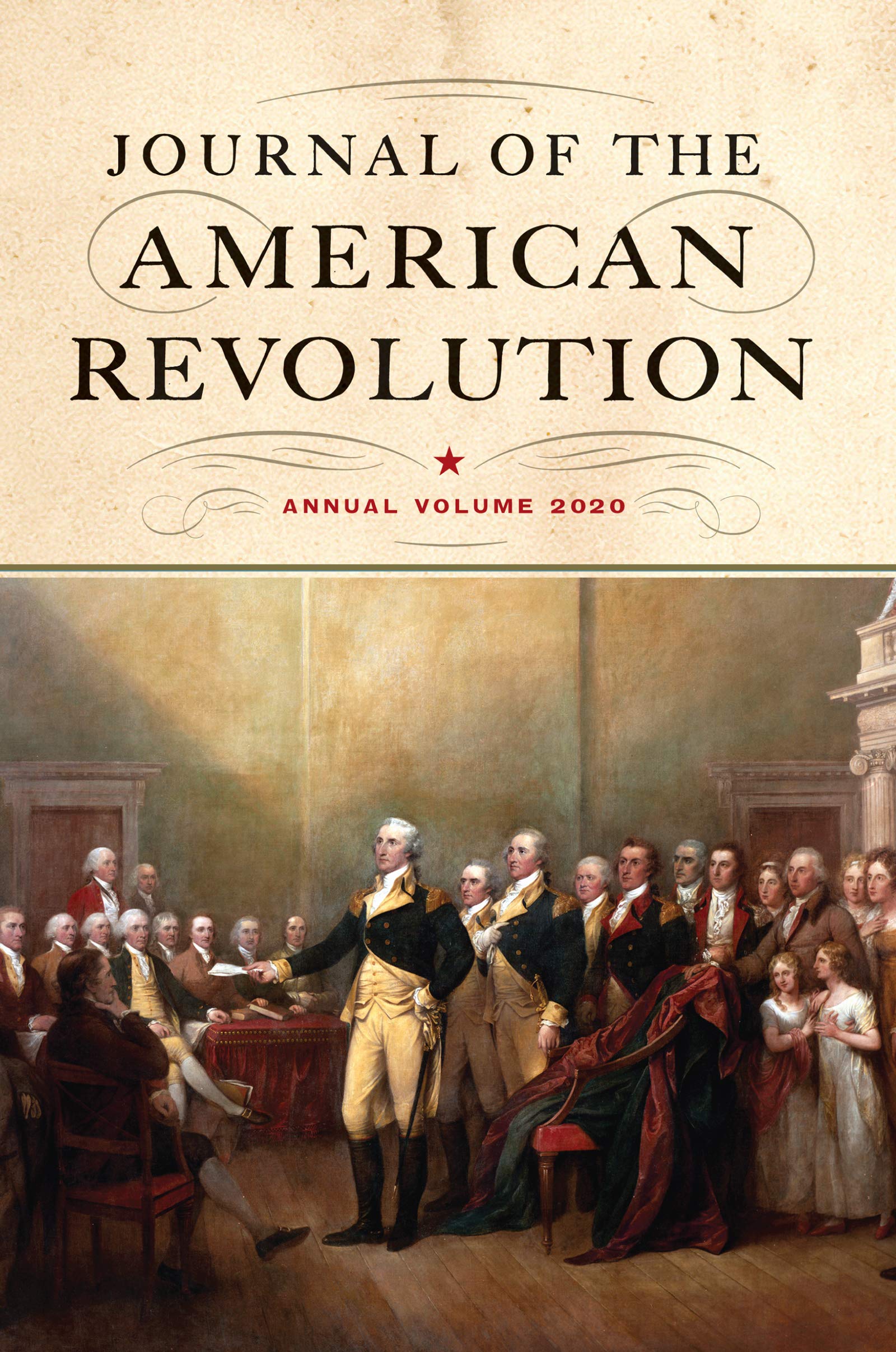
American Revolution Journal 2020 Annual Quantity

40 PCS Chinese Snack Box: Asian Korean Japanese Specialty Party Food
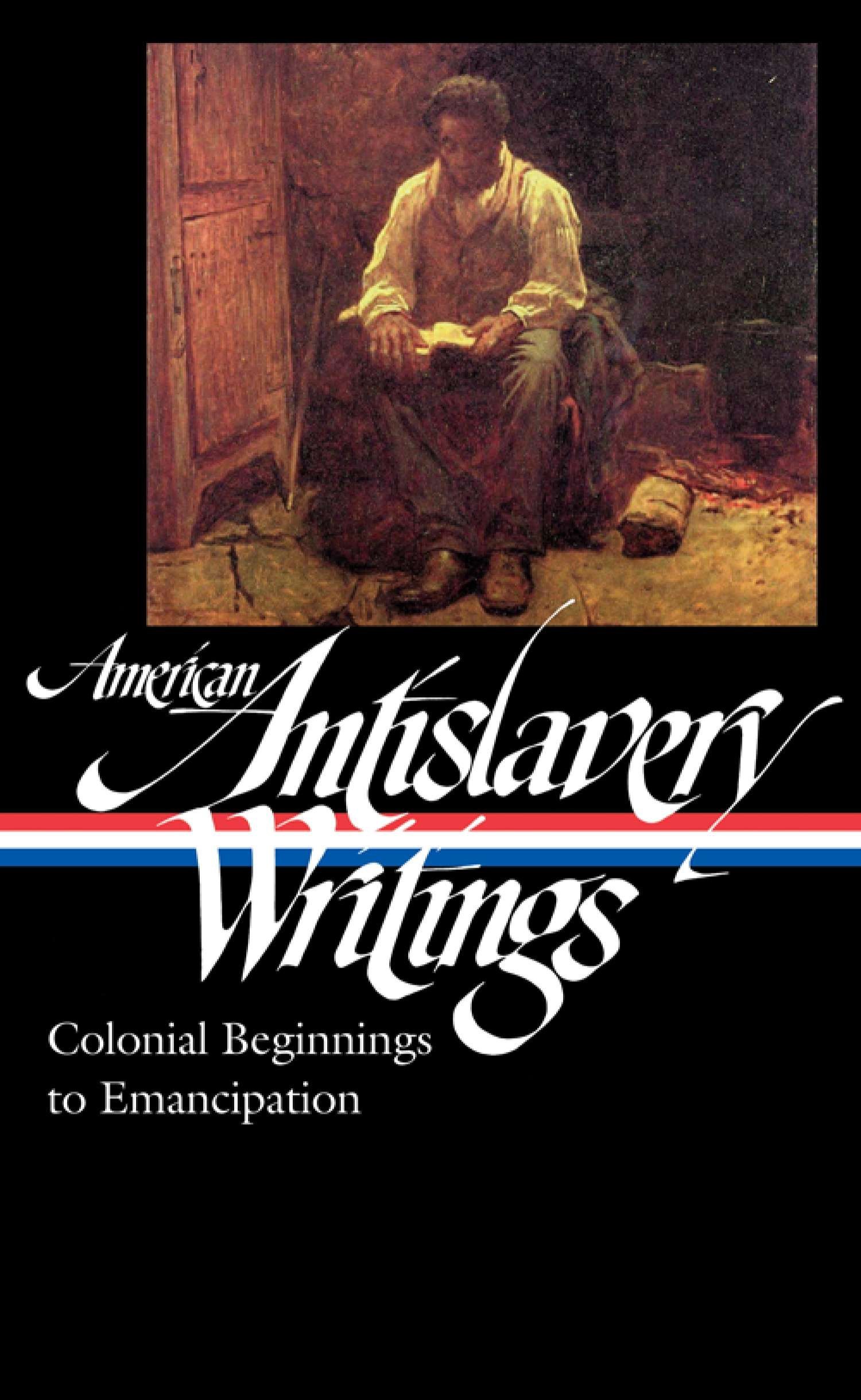
American Antislavery Writings: From Colonial Beginnings to Emancipation