The Role of Slavery in Early American Politics
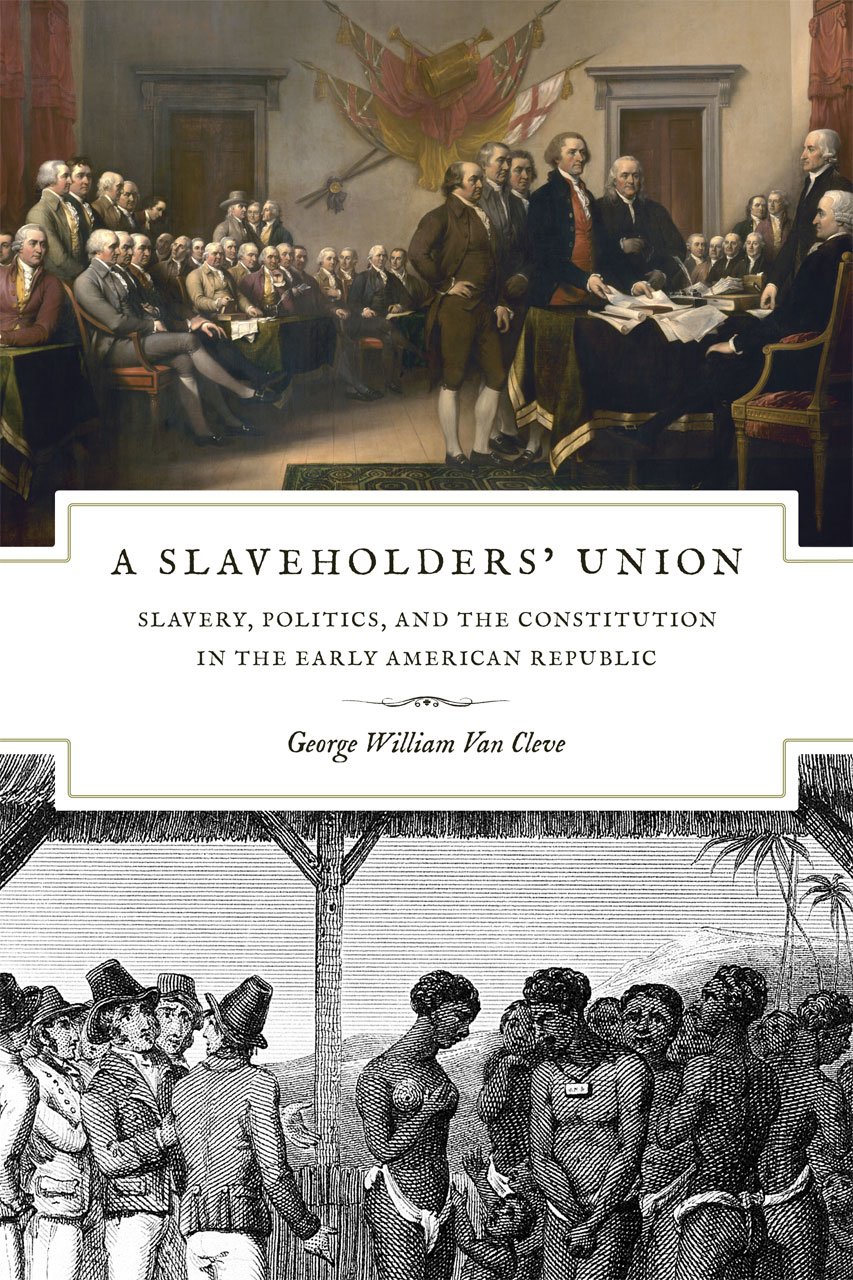
After being introduced in the English colonies of North America, slavery persisted as a legal institution until the Thirteenth Amendment to the Constitution in 1865. Despite being integral to the foundation of the early republic, abolitionists argued that the Constitution favored slaveowners' rights. The book "A Slaveholders’ Union" solidifies this claim by revealing slavery's significant role in shaping the nascent republic amidst contentious politics.
In his insightful book, George William Van Cleve argues that the Constitution of the United States was fundamentally intertwined with the institution of slavery. He compellingly illustrates that the clauses protecting slavery were not just political compromises but were deeply ingrained in the core principles of the fledgling nation. By the late 1780s, the majority of Americans aimed to establish a robust federal republic capable of expansion into a continental empire. Van Cleve posits that for this grand vision to materialize, the Southern states had to be enthusiastic participants, with the preservation of slavery being a key condition for their support. Additionally, Van Cleve challenges the perception of the North's gradual abolition of slavery as progressive, asserting that its impact on the expansion of slavery was minimal compared to previous beliefs.
By skillfully blending historic and political analyses, A Slaveholders’ Union has the potential to become the definitive explanation of slavery's endurance and expansion in the early American republic. It provides insight into the impact of slavery on American constitutional development from the Revolutionary War through the Missouri Compromise of 1821.
More in US Constitution

Girls' Champion Canvas Sneaker by Keds

Colorful Stackable Storage Caddies for Easy School Desk Organization
American Revolution Journal 2020 Annual Quantity

40 PCS Chinese Snack Box: Asian Korean Japanese Specialty Party Food
American Antislavery Writings: From Colonial Beginnings to Emancipation