Slavery in American Politics: From Structure to Civil Warfare
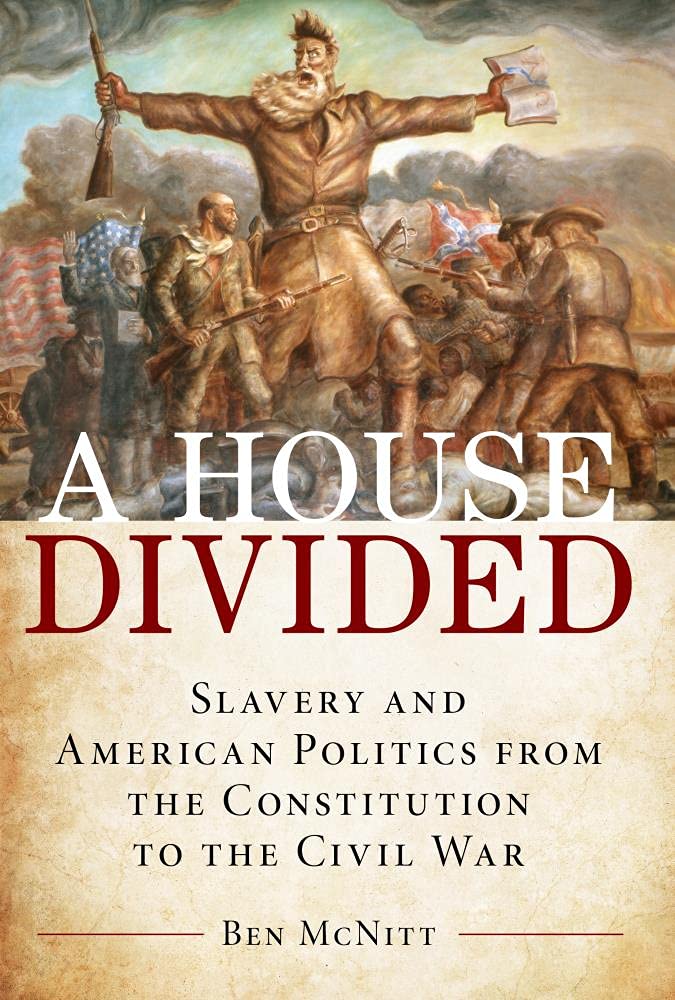
Slavery is among the central, most enduringly vital of U.S. historical past. It loomed like a darkish cloud over the nation’s start on the Constitutional Conference in 1787 and formed an important nodes of American historical past earlier than the Civil Warfare. Even immediately, the nation continues to debate its previous because it pertains to slavery, and the political and geographic contours of human bondage endure into the twenty-first century.
Retired journalist Ben McNitt presents a meticulously researched and comprehensive guide delving into how slavery shaped American politics and history, spanning from the nation's inception to the Civil War. McNitt's vivid storytelling captures pivotal figures and events that continue to resonate today: from Thomas Jefferson and John Calhoun to the slave uprisings of Denmark Vesey and Nat Turner, and landmark compromises like the Missouri Compromise and the Compromise of 1850. The narrative also explores the courageous efforts of Harriet Tubman, Frederick Douglass, and abolitionists such as William Lloyd Garrison and Elizabeth Cady Stanton, alongside dramatic episodes like John Brown's raid on Harpers Ferry. This singular work not only covers these topics comprehensively but also offers accessibility and depth unmatched by any other resource on the subject.
More in US Constitution

Girls' Champion Canvas Sneaker by Keds

Colorful Stackable Storage Caddies for Easy School Desk Organization
American Revolution Journal 2020 Annual Quantity

40 PCS Chinese Snack Box: Asian Korean Japanese Specialty Party Food
American Antislavery Writings: From Colonial Beginnings to Emancipation