
Exploring Columbus's New World: 1493 Discoveries and Impact
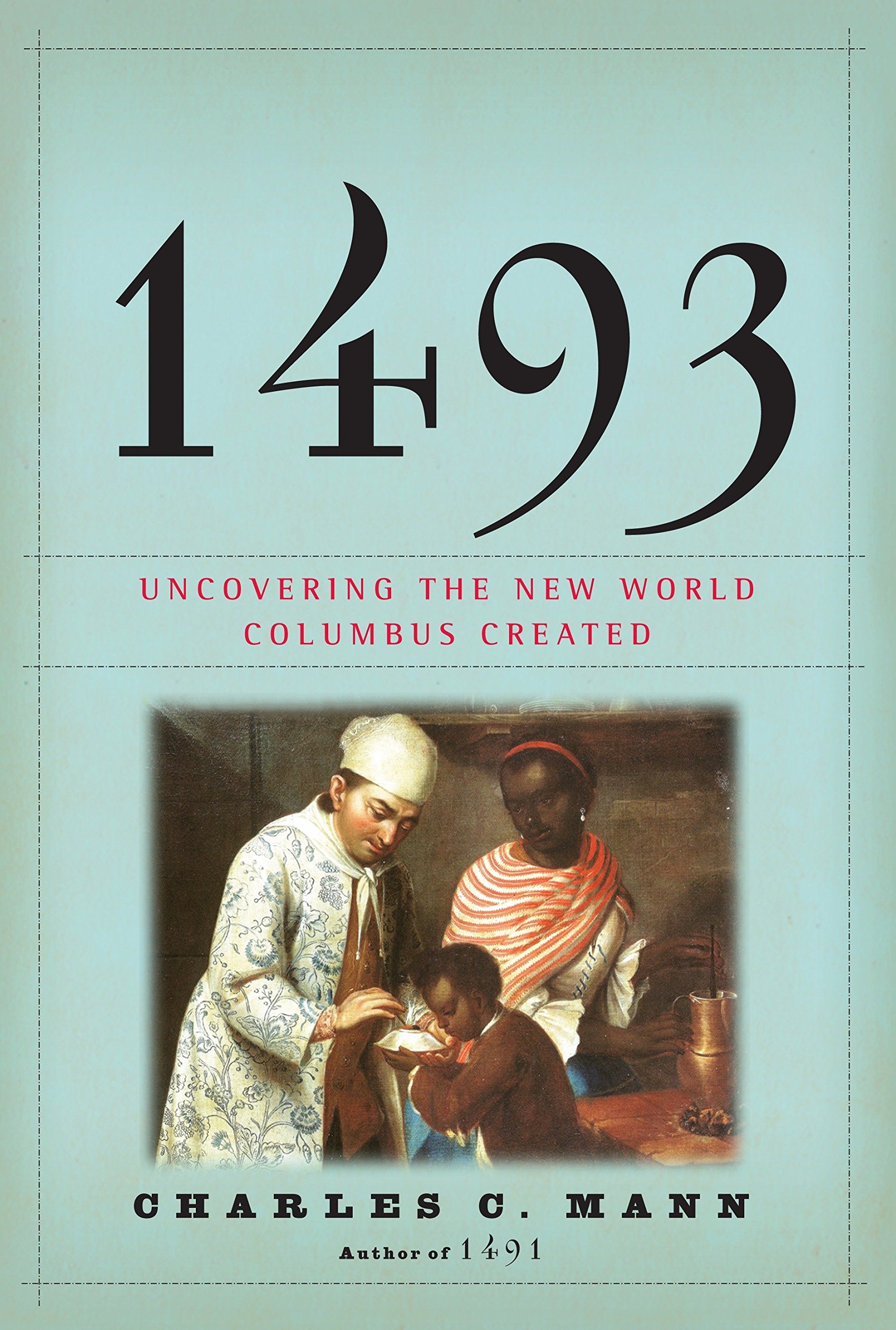
From the writer of
1491— the best-selling examine of the pre-Columbian Americas—a deeply partaking new historical past of essentially the most momentous organic occasion because the loss of life of the dinosaurs.
Over 200 million years ago, geological forces caused the continents to split apart, leading to the evolution of unique ecosystems on each side. However, when Christopher Columbus arrived in the Americas, he brought an end to this long-standing separation. In his quest to establish trade with China, Columbus inadvertently triggered a massive ecological shift as European ships transported thousands of species to completely new territories across the oceans.
The Columbian Exchange, as researchers call it, is the reason why tomatoes grow in Italy, oranges flourish in Florida, chocolates are enjoyed in Switzerland, and chili peppers spice up dishes in Thailand. More importantly, unknown creatures tagged along with the colonists on their journey. From earthworms, mosquitoes, and cockroaches to honeybees, dandelions, and African grasses; from bacteria, fungi, and viruses to all kinds of rats—they all traveled eagerly like tourists to lands that had never encountered them before, transforming lives and landscapes across the globe.
Nearly a decade following Columbus' voyage, a Spanish explorer named Legazpi ventured where Columbus had not succeeded. Seeking to establish trade with China, the wealthiest nation of the time, Legazpi founded Manila, a bustling city. Here, silver mined from the Americas by African and Indian laborers was exchanged with Asians for luxurious silk destined for Europeans. This marked a pivotal moment where goods and people from across the globe were interconnected through international commerce. Just as Columbus ushered in a biologically new world, Legazpi and the Spanish empire ushered in a novel economic era.
As Charles C. Mann exhibits, the Columbian Trade underlies a lot of subsequent human historical past. Presenting the most recent analysis by ecologists, anthropologists, archaeologists, and historians, Mann exhibits how the creation of this worldwide community of ecological and financial change fostered the rise of Europe, devastated imperial China, convulsed Africa, and for 2 centuries made Mexico Metropolis—the place Asia, Europe, and the brand new frontier of the Americas dynamically interacted—the middle of the world. In such encounters, he uncovers the germ of at this time’s fiercest political disputes, from immigration to commerce coverage to tradition wars.
In
1493, Charles Mann offers us an eye-opening scientific interpretation of our previous, unequaled in its authority and fascination.
More in Columbus Day

Girls' Champion Canvas Sneaker by Keds
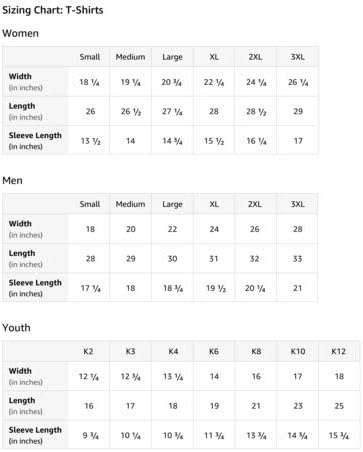
Anti Columbus Day Indigenous Folks's Day T-Shirt: Fun Celebration Ideas

When This Virus is Over 2021 Graphic Novelty Sarcastic Humorous T Shirt

Men's Cotton Trefoil Sweatshirt with Ribbed Fit

Mr. Pen- Skilled Compass for Geometry, Further Lead, Steel Compass, Compass, Compass Drawing Software, Drawing Compass, Drafting Compass, Compass for College students, Compass for Woodworking, Compass Geometry
